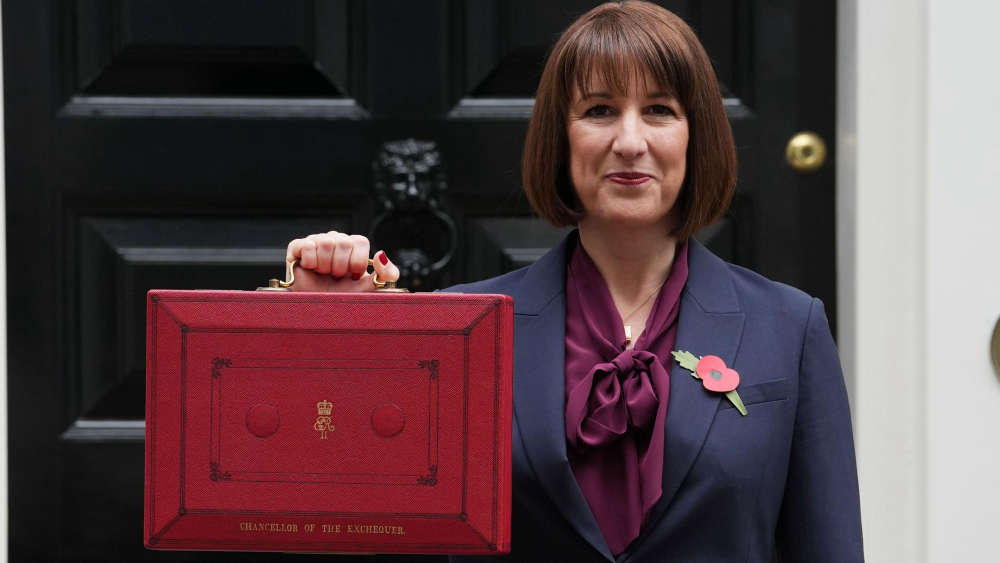
Yesterday in Westminster, Chancellor Rachel Reeves outlined this year’s Autumn Budget statement.
Here are the main points from her speech:
Cost-of-living relief
From April 2026, households across the UK will receive £150 off annual energy bills. The government has also frozen rail fare increases and prescription charges, providing further cost-of-living support.
The controversial “two-child cap” on child benefits will be scrapped, meaning families with more than two children will regain full benefit entitlement. In addition, the minimum wage and youth pay rates are set to rise.
Labour says these measures will lift around 450,000 children out of relative poverty.
Tax rises
To fund public spending and rebuild fiscal “headroom”, the Chancellor announced a range of new or increased taxes expected to raise around £26 billion annually in the coming years.
Key measures include:
● A surcharge on properties worth over £2 million, dubbed the “mansion tax”
● A new per-mile road tax for electric and plug-in hybrid vehicles, intended to replace declining fuel duty revenues
● Higher duties on gambling, with further increases planned for alcohol and tobacco.
Public Spending
The government has committed to major investment across infrastructure, transport, housing and education. Reeves said this public-spending programme aims to support the NHS recovery, reduce the national debt, and boost the UK’s long-term economic growth potential.
Reaction
Reaction to the Budget has been mixed.
Critics argue the Budget fails to stimulate economic growth, with some economists warning that freezing income-tax thresholds, cutting ISA allowances and increasing taxes on pensions and investments could hurt savers, retirees and long-term investment confidence.
Conservative Party leader Kemi Badenoch called the Budget a “smorgasbord of misery”, accusing the government of using widespread tax rises to fund welfare expansion.
However, Prime Minister Sir Keir Starmer defended both the Chancellor and the Budget, saying the tax rises and spending plans were fair, responsible, and necessary.
Comments
Add a comment